About AvianVets
The founder story, how medical pages get reviewed here, and what the byline on any given page means.
On this page
From the founder
I’m Robin Hale. I’ve kept backyard chickens in Virginia for over a decade, long enough to know that “low-maintenance” doesn’t mean “no-maintenance,” and that a chicken stops being livestock the moment you name her.
I started AvianVets.org after a sick hen and a dozen phone calls taught me what most bird keepers eventually learn: almost no vet will see a chicken, and the ones who see parrots are nearly as rare. That day I called every clinic within an hour’s drive. The ones that were open said they didn’t see birds. The ones that saw birds weren’t open. The one that both saw birds and was open was booked six weeks out. My hen didn’t have six weeks. I did what most owners in that position do: I sat down at the computer with a very sick bird on my lap and tried to find honest answers on the internet.
The answers I found were mostly forum threads and thin blog posts padded with affiliate links. There were a few genuinely good pages buried in there, but they were hard to sort from the noise, and nothing pulled it all together. This site is what I wished I’d found that day. It’s written for the two groups of bird keepers who get failed the hardest by the current state of avian care online: backyard poultry keepers and pet-bird owners. Chickens, ducks, geese, and quail on one side; parrots, cockatiels, conures, canaries, and finches on the other. Different birds, same problem — the vets are scarce and the internet is loud.
There are things this site will not do, and I want to be direct about them before you read anything else here. AvianVets.org does not provide veterinary care. I am not a vet, and I do not claim to be one. This site does not sell medication or run a “vet chat.” Every article carries a real named author. Every page that discusses medication, dosing, or specific treatment is written to be read and signed off by a credentialed avian veterinarian before publishing. I’m still engaging that reviewer, and until they’re on board, no article on this site carries a reviewer badge and no new dosing content publishes.
Robin Hale is a pen name; the keeper, the chickens, and every word of the story are real.
How content on this site gets reviewed
Every medical article goes through three steps before it publishes, and one more indefinitely afterward. The short version is here so you can see the shape of the process. The full editorial policy has the long version — sources we accept, sources we don’t, corrections process, and everything else a bird owner (or a reviewing vet) might reasonably want to check.
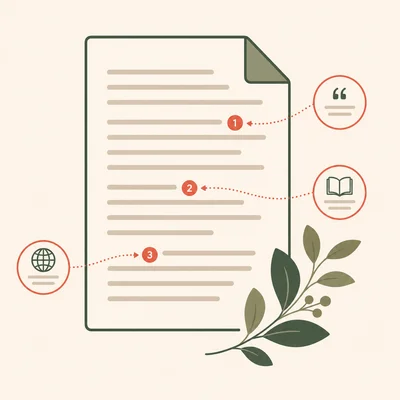

1. Draft with citations. A writer produces the article grounded in primary sources: the Merck Veterinary Manual, peer-reviewed avian medicine journals, Association of Avian Veterinarians guidance, and university veterinary school extension pages. Doses and safety warnings are attached to specific citations in the body before the draft goes anywhere else. If a claim can’t be sourced, the claim gets cut.
2. Medical review. A credentialed avian vet reads the full draft, requests revisions on any medical claim, adds clinical texture from what they see in practice, and approves every dose and species-specific warning before the page can publish. Their name and the review date stamp on the page, and the reviewer badge links to their bio in the Reviewers section of the editorial policy.
3. Annual refresh. Every medical page is re-reviewed at least once every 12 months. The reviewer either re-approves it and moves the “Reviewed” date forward, or flags it for a rewrite. If a rewrite can’t ship inside 30 days, the badge comes off and the page is marked “under review” until it does. Readers see the change; we don’t hide it.
Our reviewers
Every “medically reviewed by” badge across the site links to the Reviewers section of the editorial policy, which is where the reviewer’s credentials, license, and clinical background live.
No article on this site currently carries the “medically reviewed by” badge. Medical pages are labeled “review pending” until a credentialed avian veterinarian’s name, DVM credential, license verification, and clinical background can be listed here and on the editorial policy page. No new dosing content is published without the badge behind it. If you’re an avian veterinarian and this role interests you, the contact address below is the right way to reach us.
How the site pays for itself
It doesn’t yet. There are no affiliate links, no referral commissions, no sponsored placements, and no ads. The televet services recommended in editorial are named because they fit the reader, not because they pay. If that changes, the current state lives on the editorial policy page.
Older articles on this site
This site has been online since 2021. In the summer of 2025 it lost most of its readers overnight — and, honestly, it deserved to. The pages that used to rank were the exact things this About page now promises they won’t be: anonymous byline, no vet reviewer, no editorial policy, no citations on medical content. Some articles still carry the legacy birdvet byline and older sourcing. Those articles are being rewritten under this site’s current editorial policy; on a rewritten article, the byline and sources match what’s above. Anything with a real byline (and, once the reviewer is engaged, a reviewer badge) has been through the process above.
If you find a page that looks unfinished, or a claim you don’t trust, the contact address is real and the corrections process is real too.
Contact
Editorial questions, corrections, source suggestions, and vet-reviewer inquiries go to editor@avianvets.org, or through the contact page. Editorial mail gets read by the editor, not by a form auto-reply.