
Something’s wrong — start here.
When something looks clearly wrong, start with what you’re seeing. Work back from the symptom to the likely cause, and to how urgent it is.
Birds are prey animals: visible symptoms are almost always further along than they look. Getting to the right answer fast is the whole game.
-
Ivermectin for birds and chickens
Doses for the antiparasitic most keepers reach for — what it treats, per-species amounts, the egg-withdrawal window, and why parrot dosing is not chicken dosing.
-
Deworming chickens
How to plan a deworming program without over-treating — fecal floats, drug-class rotation, and when a worm burden actually needs treating.
-
Feather mites on chickens
Northern fowl mite and red mite: identifying which one you have, treating the bird, and treating the coop so the reinfestation doesn’t happen.
-
Scaly leg mites
The burrowing mite that turns smooth yellow scales into thick white crust. Early signs, treatment options, and the reason topical alone is rarely enough.
-
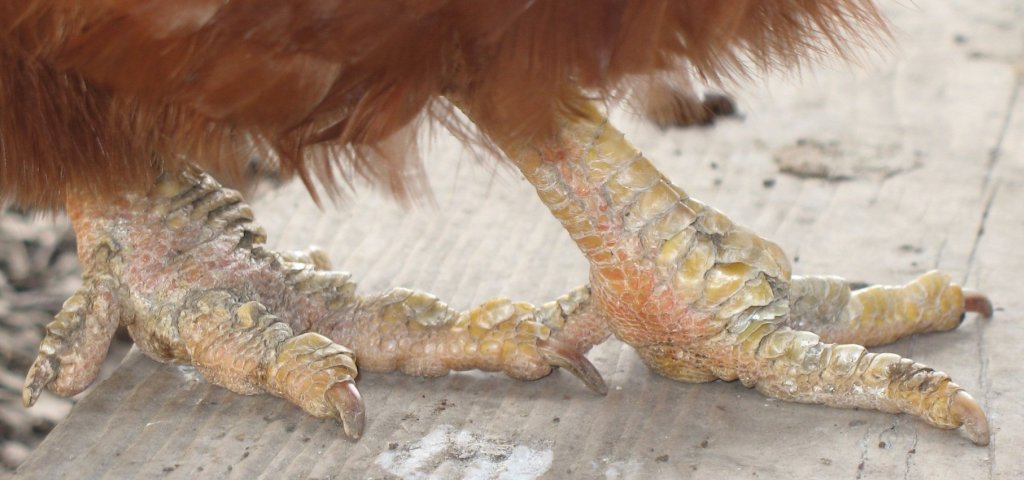
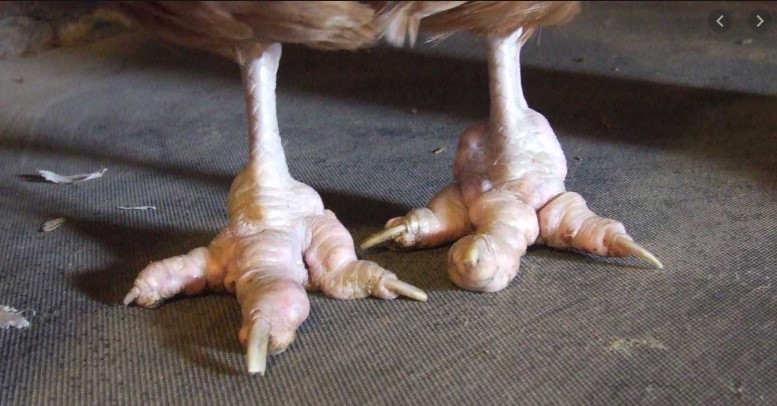
Bumblefoot: signs and treatment
The Staphylococcus foot infection: how to spot early lesions, when home care is reasonable, and when it needs the vet.
-
Aspergillosis
Fungal respiratory disease — the one that hides for weeks in pet birds and is often terminal by the time it’s diagnosed. Prevention matters more than treatment here.
-
Psittacosis
Chlamydia psittaci: zoonotic, which means it can transmit to humans. Symptoms, treatment, and what it means for the people in the household.
-
Fowl pox
Dry-form skin lesions and wet-form throat lesions, transmission, and why vaccination is the real answer if pox is regional in your area.
-
Why is my chicken or pet bird sneezing?
A one-off sneeze is usually dust; sneezing paired with runny eyes, gaping, or a wheeze is respiratory infection — the signs that say wait-and-watch versus call the vet today.
-
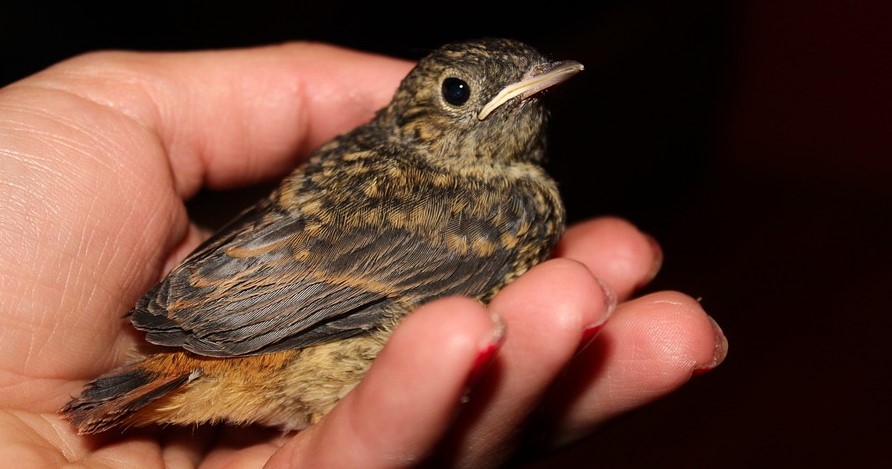
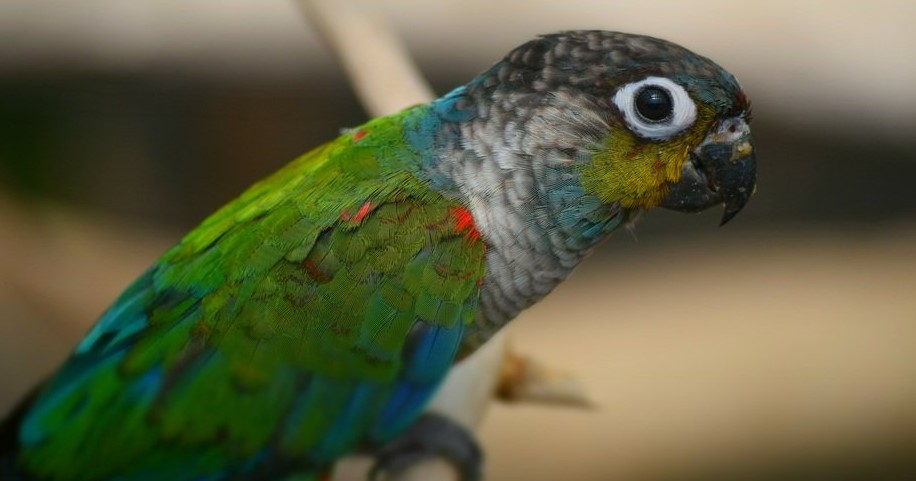
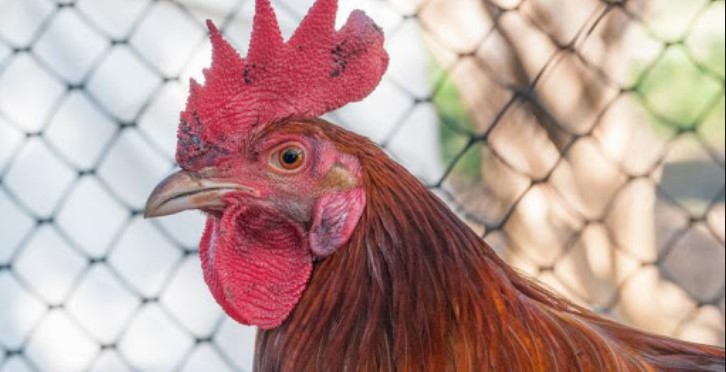
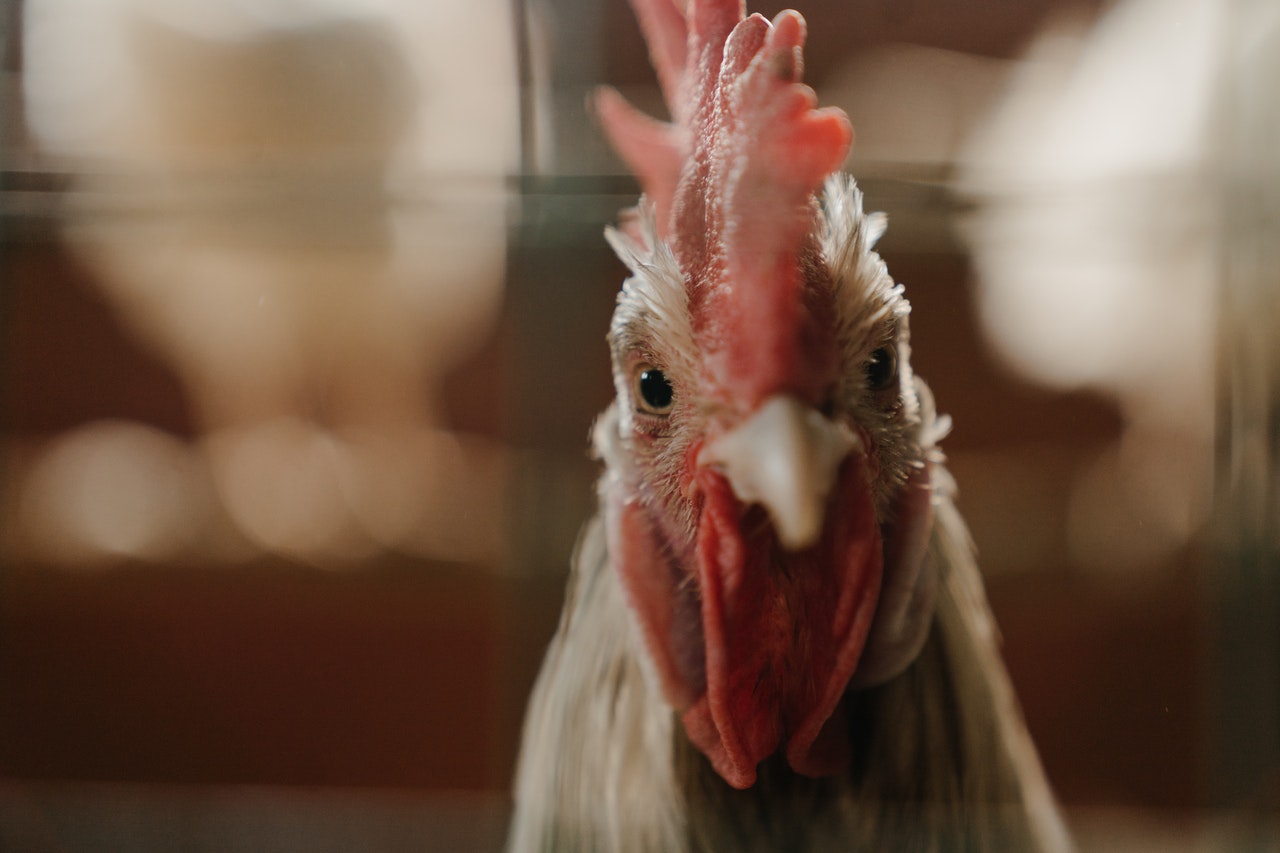
Is bird flu deadly, and can humans get it?
Avian influenza is a family of viruses that live naturally in wild birds — what the highly pathogenic strains do to backyard flocks, and the real-world risk to humans.
-
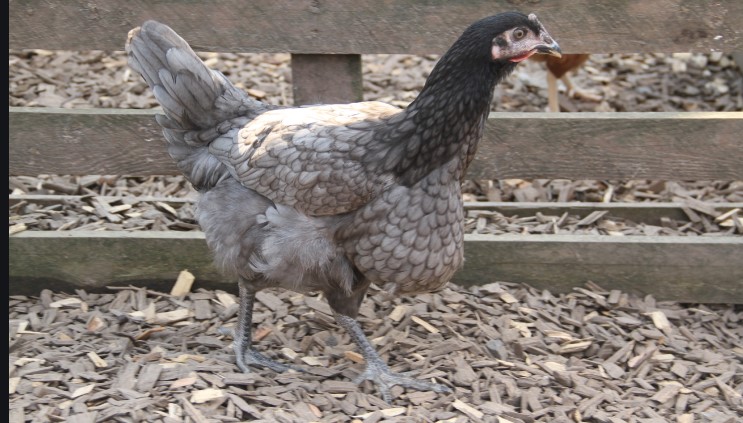
Sour crop in chickens: how to treat
A crop that stays full and squishy overnight — home care basics, when it’s really crop stasis, and the signs that mean a same-day vet call.
-
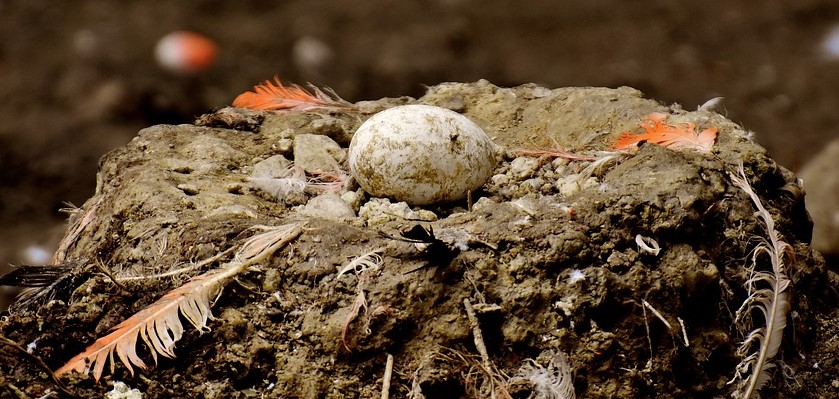
Egg binding: what it is and how to treat
The obstruction that turns fatal within 24 hours if unresolved. Warm bath, calcium, and when to stop treating at home and drive.
-
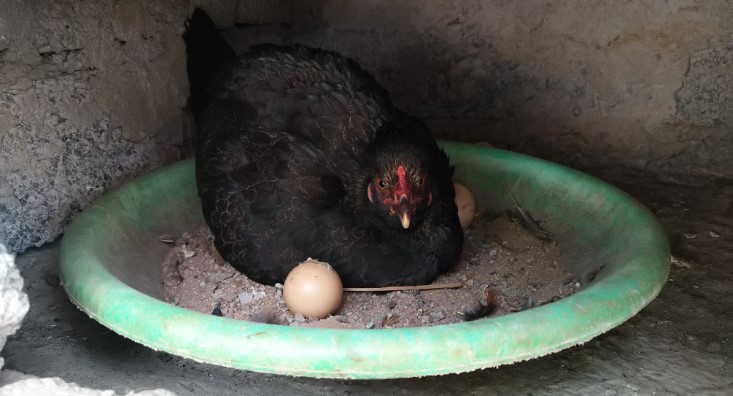
How to tell if a chicken is egg bound
How to tell if a hen is egg-bound, what to try at home first, and the signs that mean she needs a vet the same day.
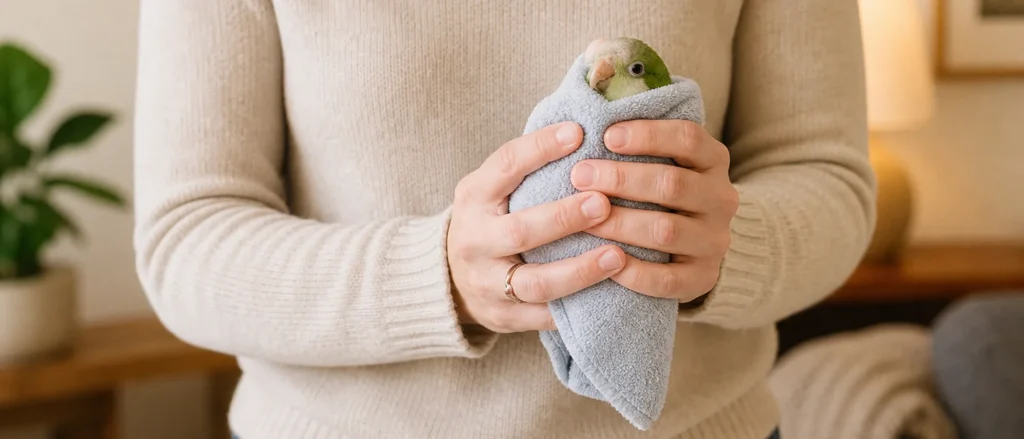
Emergency and sudden death
The “she was fine yesterday” moment, predator attacks, heat stress, frostbite.
-
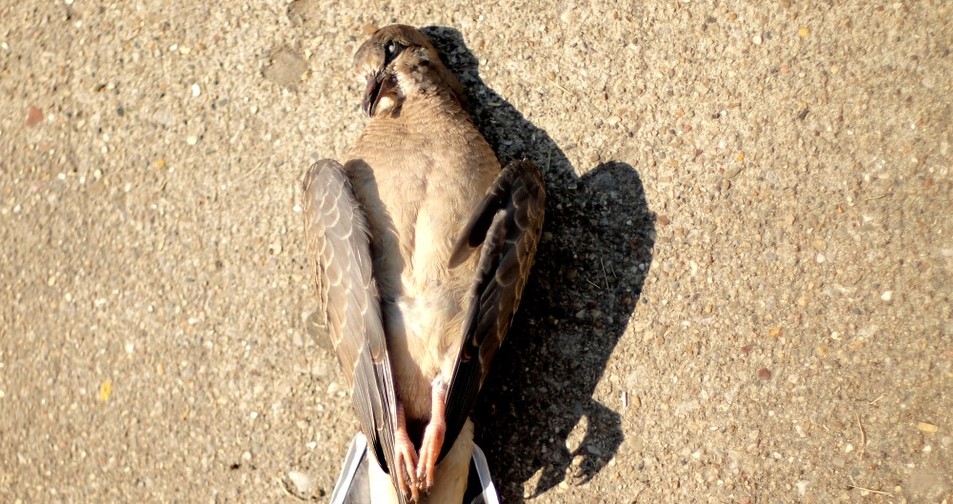
Why did my bird die so suddenly
The “she was fine yesterday” moment — sudden-death causes in chickens and pet birds, and how a necropsy works if you want answers.
-
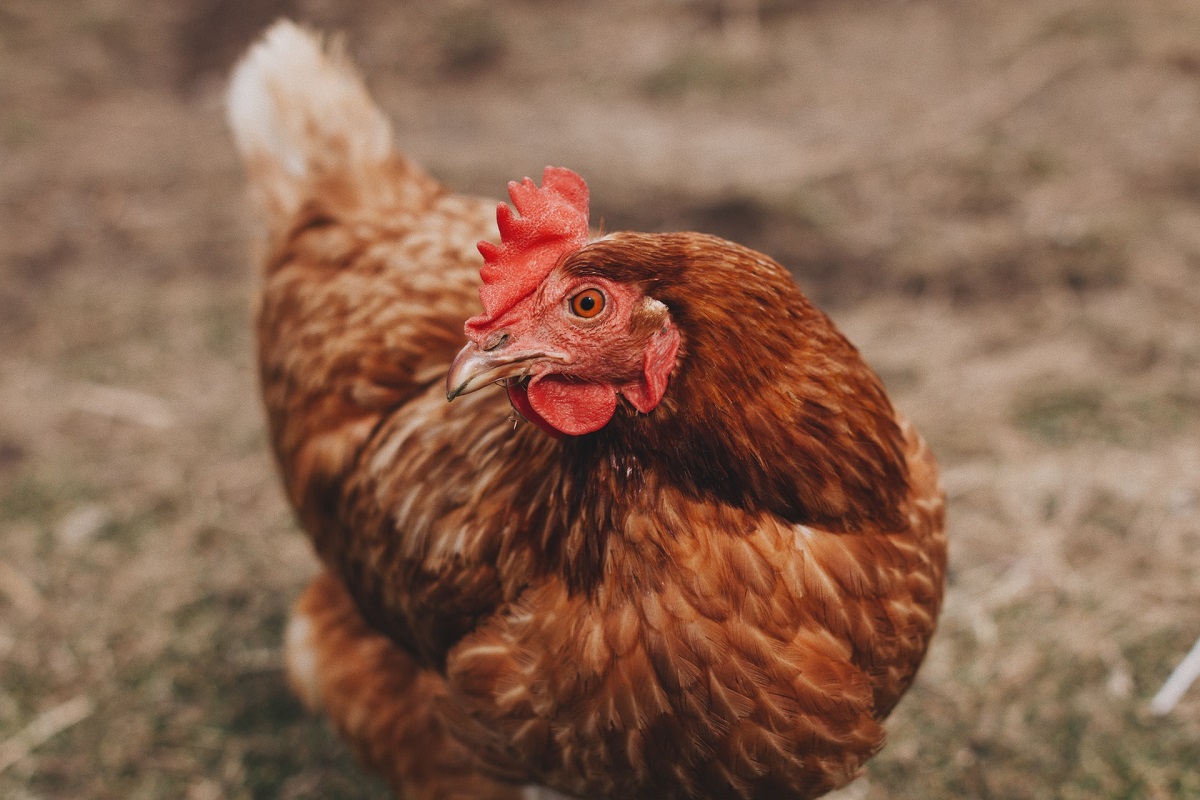
Treating ascites or ‘water belly’ in chickens
Water belly is fluid trapped in a chicken’s abdomen from a failing right heart — a chronic condition a vet can drain for comfort but can’t cure, and one worth catching early.
-
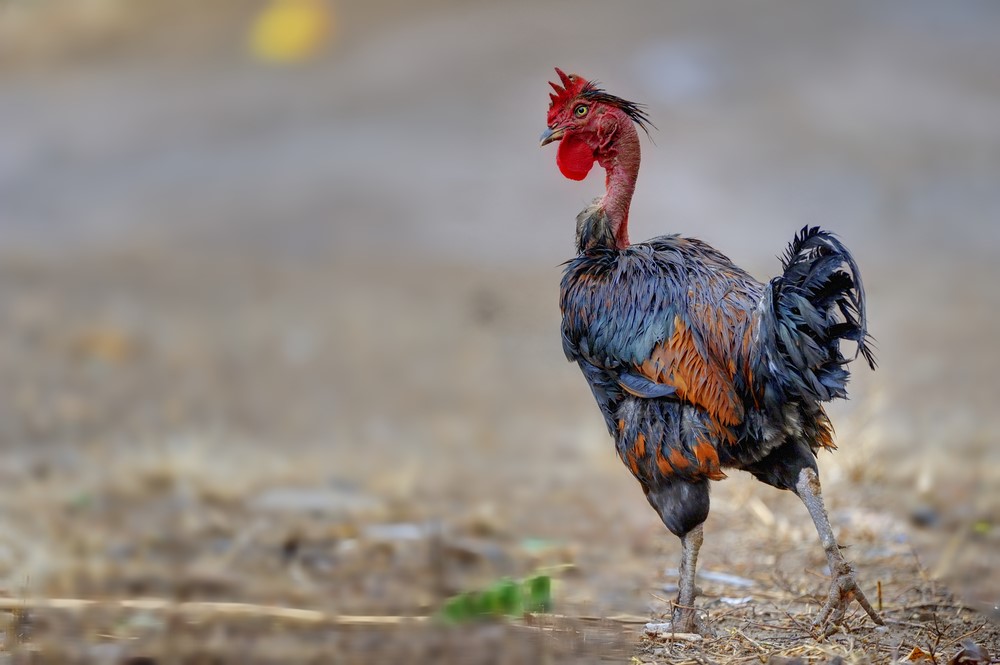
Feather picking vs molting
The distinction matters: one is normal seasonal loss, the other is a medical or behavioral problem. How to tell.
One check matters more than any specific diagnosis: does what you’re seeing need a vet today, in the next couple of days, or not yet?
Call a vet the same day if you see: labored breathing, open-mouth breathing, or tail-bobbing at rest; sudden weakness, inability to stand, or collapse; bleeding that doesn’t stop within a few minutes; seizures or head-tilt with loss of balance; a hen straining unproductively for more than a few hours; any bird sitting fluffed at the bottom of the cage or standing apart from the flock and unresponsive.
Get vet input in the next day or two if you see: off feed for more than 24 hours; weight loss you can feel on the keel bone; sustained change in droppings; any new lump, swelling, or lesion.
If your local vet search is coming up empty — which it often does for birds — Vet Corner covers how to find an avian vet and when a televet is enough. Vet Corner →