Conures
Conure Biting and Screaming: A Root-Cause Guide
Biting and screaming almost always trace to fear, territoriality, hormones, or boredom. Read the body language first, then match the pattern to the right fix.
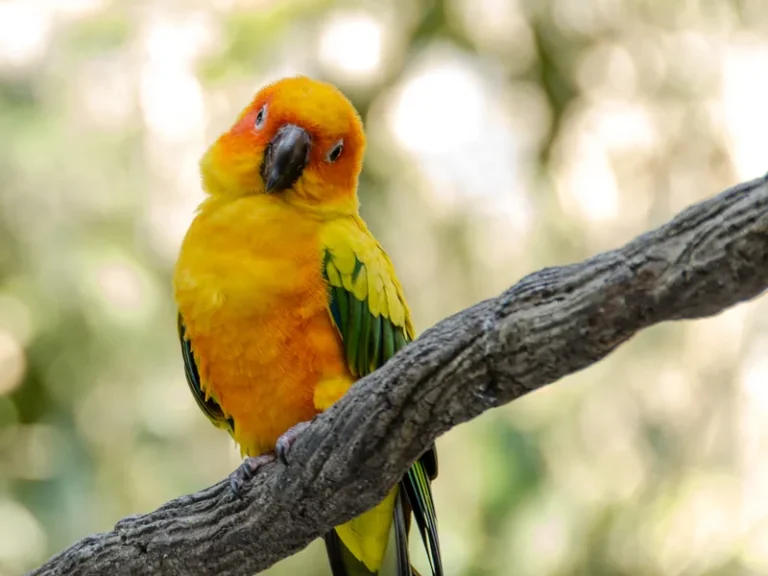
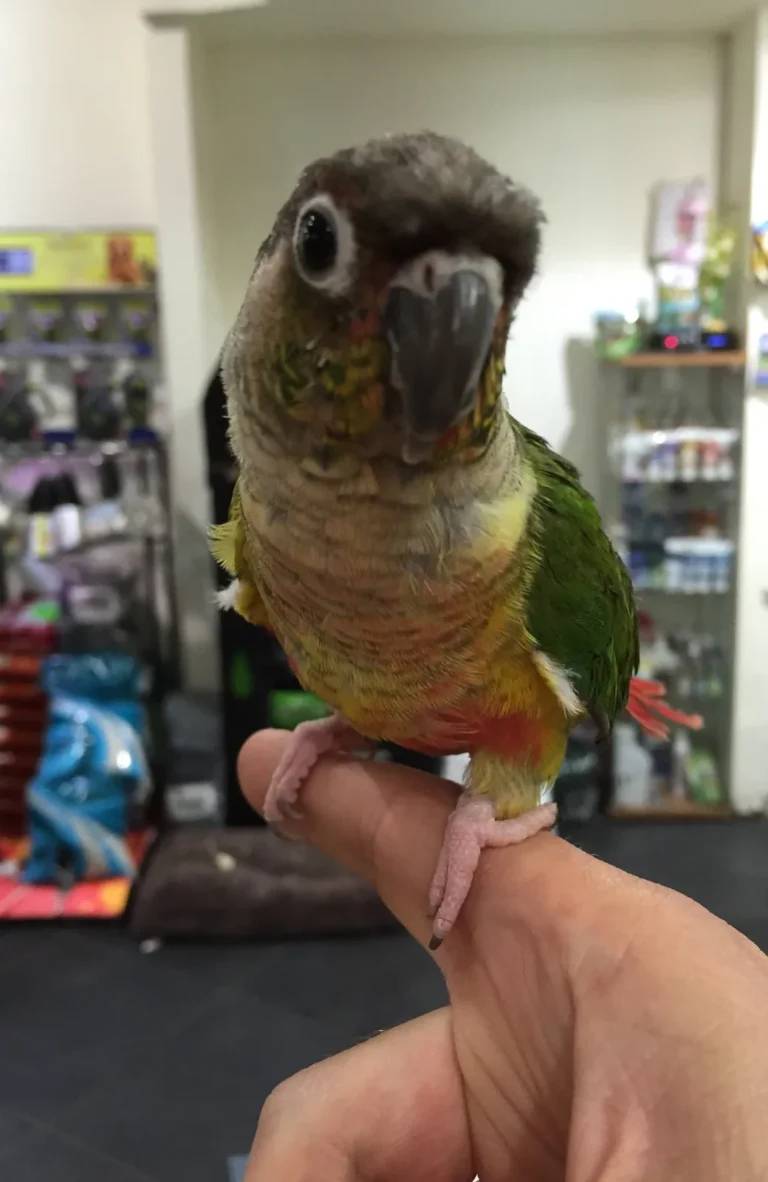
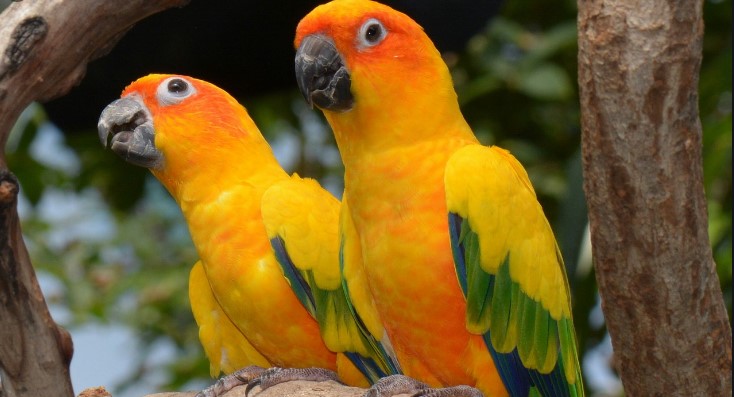
Both are common, and both are the honest starting points with a conure. The genus covers real range: a green-cheek is a small, comparatively quiet, comparatively even-tempered bird; a sun conure or jenday will fill a two-storey house with sound and wants a person around for a real portion of the day; blue-crowns and Patagonians sit somewhere between. Same family, very different lived experience.
Lifespan is the number to get right first — twenty to thirty years is the realistic middle for the popular sub-species, and it isn’t a bird you’ll rehome without heartbreak on both sides. The conure lifespan page walks through what varies by sub-species and what shortens or extends a captive bird’s years. For the wider question of whether a pet bird fits your life at all — noise, mess, attention, decades — the pet birds section of our Bird Basics guide is where to zoom out before you commit.
Biting and screaming aren’t personality flaws; they’re the two most common conversations owners aren’t having with the right bird yet. Both are worth reading before you conclude yours is broken.
Biting and screaming almost always trace to fear, territoriality, hormones, or boredom. Read the body language first, then match the pattern to the right fix.
Cockatiels are the quieter apartment bird and green-cheek conures the more interactive one — sun and jenday conures hit 120 decibels at close range, which rules out most shared walls.
What a new conure needs in the first three months isn't training — it's a prepared cage, a steady schedule, and enough quiet handling for the bird to decide you're safe.
A green-cheek and a sun conure sign you up for very different decades. What influences captive conure lifespan, and what to expect from each of the popular sub-species.