Caiques as Pets: What You Need to Know
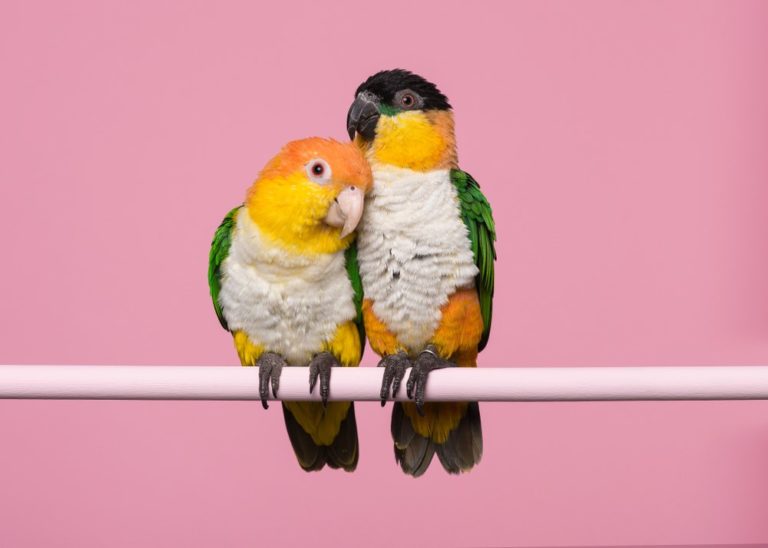
Caiques are small clown-parrots with an outsized personality — playful, stubborn, and demanding enough that they land as a rewarding second bird and a punishing first one.
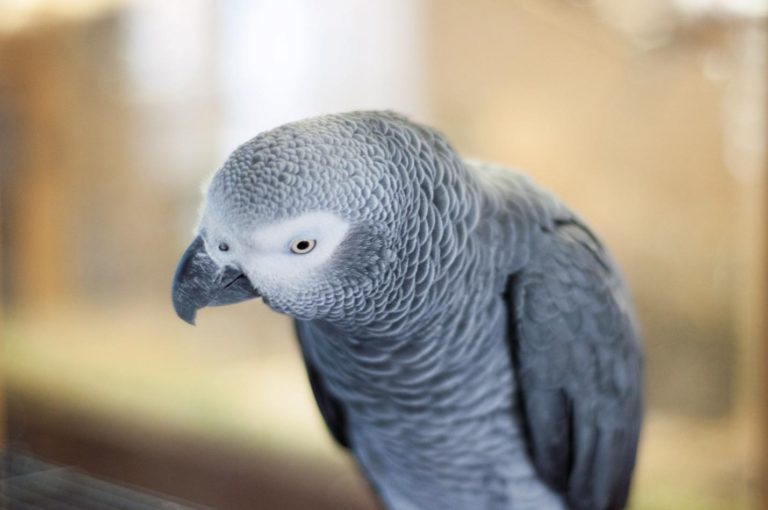
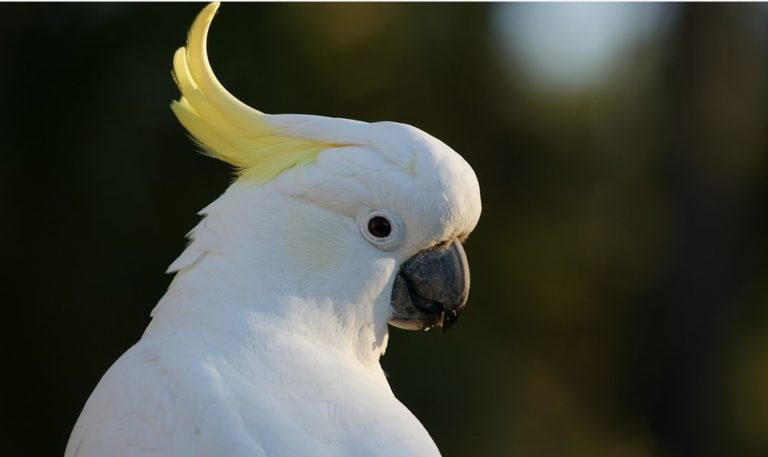
A grey watching you from the top of a bookcase with a vocabulary you didn’t teach him is real; a grey chewing through your kitchen woodwork in three minutes flat is also real, and both belong to the same day. Cockatoos will scream at volumes you can hear from the next street. Caiques are small but built like tiny mountain climbers with the personality of a border collie on double espresso. Macaws and Amazons round out the set with the same story pitched slightly differently: brilliant, exhausting, expensive, and here for decades.
None of them is the right first bird. The right second bird sometimes, for the right person, but the honest starter-parrot conversations don’t run through this group. Bonding-to-one-person is a real dynamic, not a myth — a grey that has decided you are her person may snub every other adult in the house for years, and the person she snubs is usually the one who bought her.
The African grey breed basics is where the daily-life picture actually sinks in; for where the big parrots sit next to the smaller companions on the “which bird for my life” question, the pet birds section of Bird Basics puts them side by side.
Caiques are small clown-parrots with an outsized personality — playful, stubborn, and demanding enough that they land as a rewarding second bird and a punishing first one.
African greys pair a five-year-old's cognitive ability with a fifty-year lifespan — a bird this bright needs daily engagement to match, or the boredom shows up as feather-plucking.
Cockatoos live thirty to sixty years depending on species, and a well-kept pink cockatoo can push eighty — a lifespan that puts them squarely in plan-for-your-will territory.