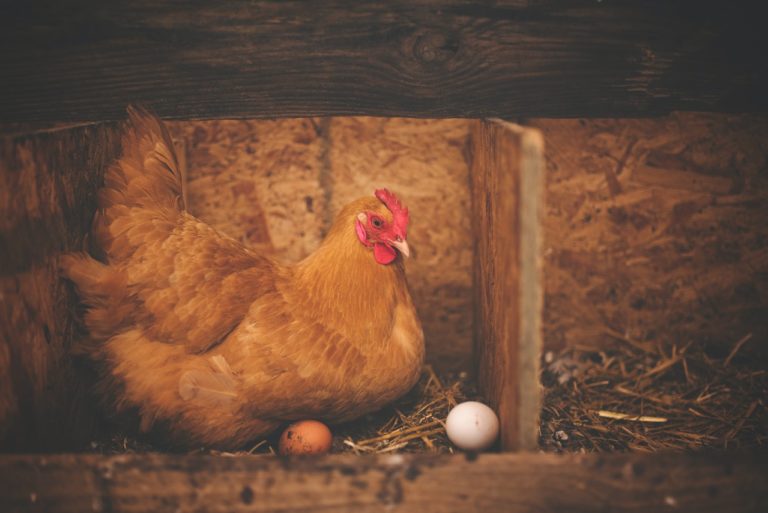
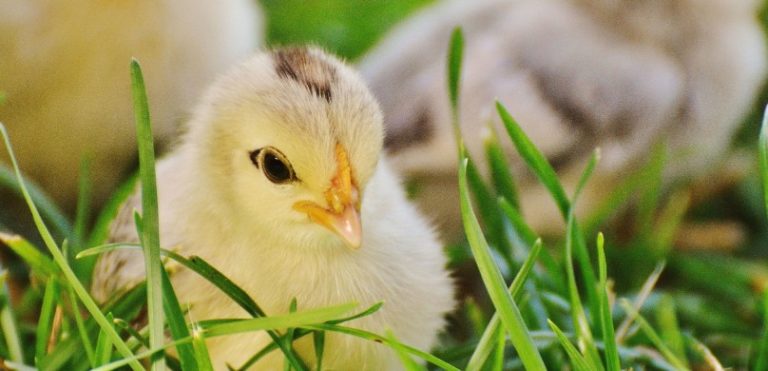
Both are common spring arrivals, and both belong on the everyday side of chicken keeping.
A broody hen commits to a clutch with a hormonal certainty that overrides food, water, and normal flock behaviour. Some keepers work with her — let her hatch a clutch and raise the babies herself, which she does better than a brooder ever will — and some break her out of it. Which choice is right depends on the flock, the time of year, and whether you want more birds. None of that resolves in a single answer.
Chicks in a brooder are a different job. The four questions that come up in the first six weeks are heat, feed, when the babies are ready for the coop, and how to introduce them to the older birds without anyone getting hurt. None of them has a universal number attached — heat depends on your setup, feed depends on your bird, integration depends on your flock. What we walk are the shapes of those decisions and where they most often go wrong.
For the wider setup — coop transition, feed, and how the hatchling year fits with the rest — the hatchlings section of our Routine Care guide is the wider walkthrough.