
Diet & Feeding
What to Feed or Not Feed to Chickens
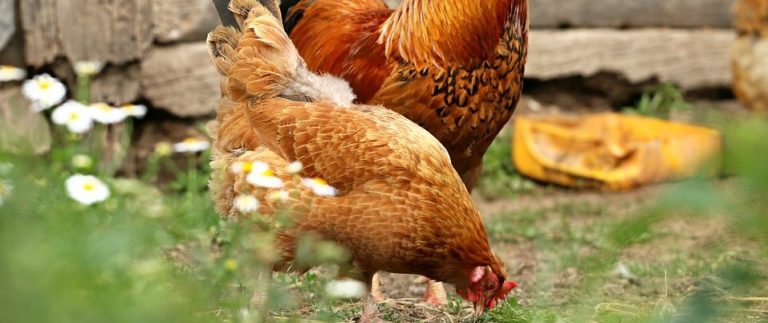
Chickens will happily eat almost anything, which is the problem — the treats worth adding to a layer diet, and the kitchen scraps that are outright toxic to a hen.
The coop is built once and the flock changes slowly, but what goes in the feeder is a choice you make in the morning — and the results, good weight and hard eggs and glossy feathers or the opposite of each, show up on a scale you can watch week over week.
Most feeding questions land in one of two camps. What should be in the bucket — a formulated feed matched to the bird’s life stage, calcium in a separate dish for laying hens, grit if there’s grain, fresh water more often than most keepers change it. And what shouldn’t — raw dried beans, mouldy anything, avocado for pet birds, too much scratch, treats past the ten-per-cent rule. Neither is complicated on paper. Both go sideways when the answer is copied over from what a friend does with a different bird in a different setup.
Species matter more than a lot of internet advice admits. Chickens, ducks, budgies, and larger parrots eat differently, need different calcium arithmetic, and get poisoned by different kitchen scraps. Those specifics live in the individual posts, not in a one-line rule for all birds.
For the wider setup — housing, hygiene, and the keeping calendar — the diet section of our Routine Care guide is the wider walkthrough.
Chickens will happily eat almost anything, which is the problem — the treats worth adding to a layer diet, and the kitchen scraps that are outright toxic to a hen.