Respiratory
Is Bird Flu Deadly, and Can Humans Get It?
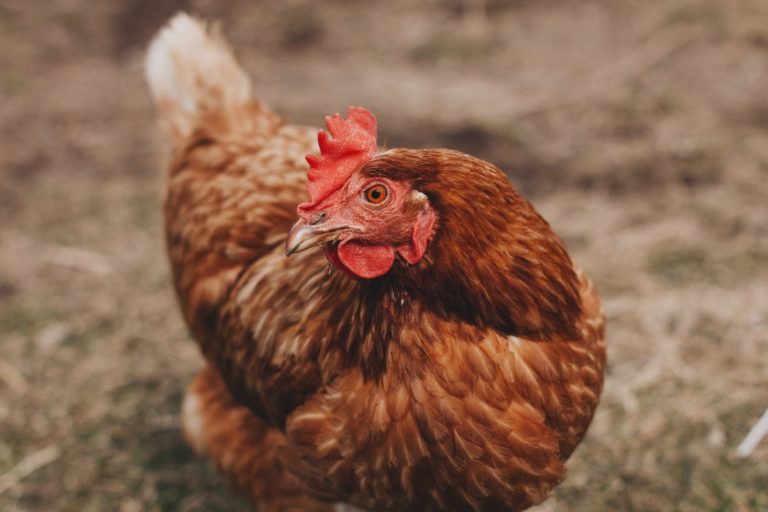
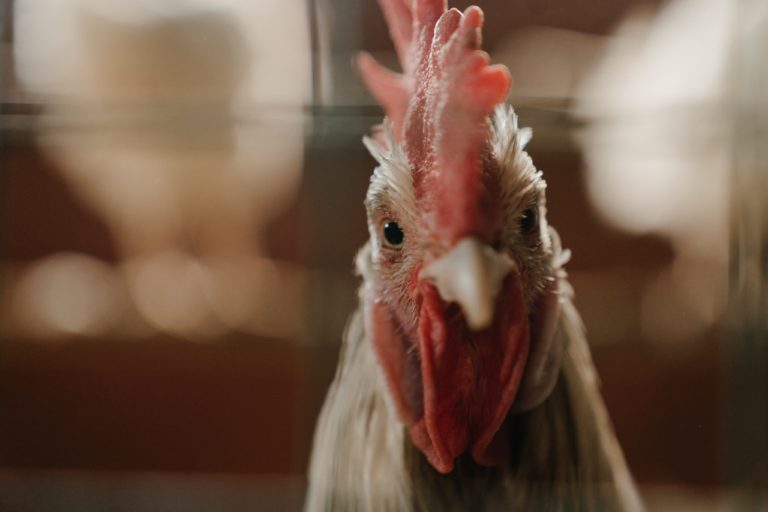
Bird flu — avian influenza — is a family of viruses that live naturally in wild birds.
Work back from the symptom to the likely cause, and to how urgent it is.
EXPLORE BY TOPIC
Bird flu — avian influenza — is a family of viruses that live naturally in wild birds.
Water belly is fluid trapped in a chicken's abdomen from a failing right heart — a chronic condition a vet can drain for comfort but can't cure, and one worth catching early.
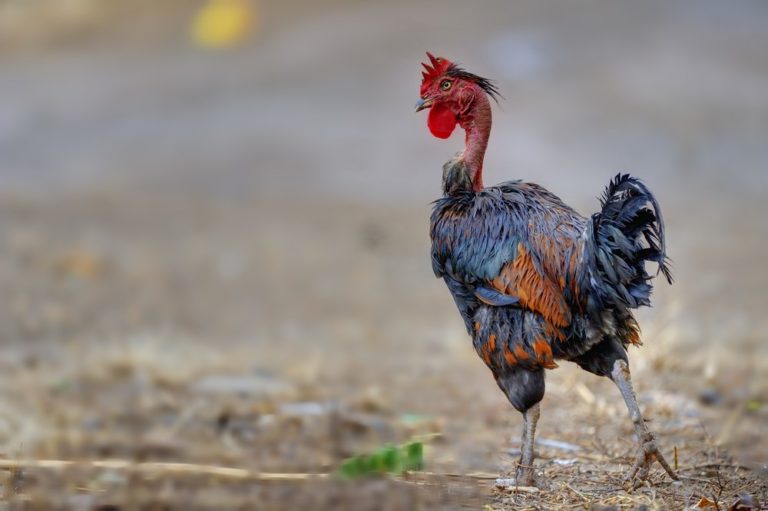
A normal molt drops feathers evenly with new pin feathers coming in behind; picking leaves bare patches the bird can reach with her beak. The tells that separate the two, and what plucking usually means about her environment or health.
The dosing walkthrough for the antiparasitic most bird keepers ask about — what it treats, and where a vet must confirm.
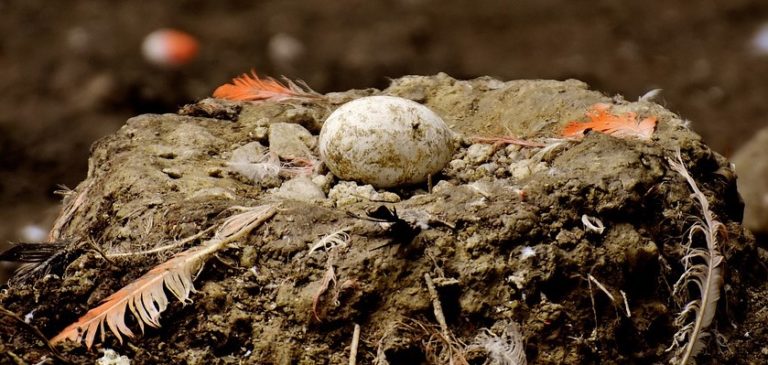
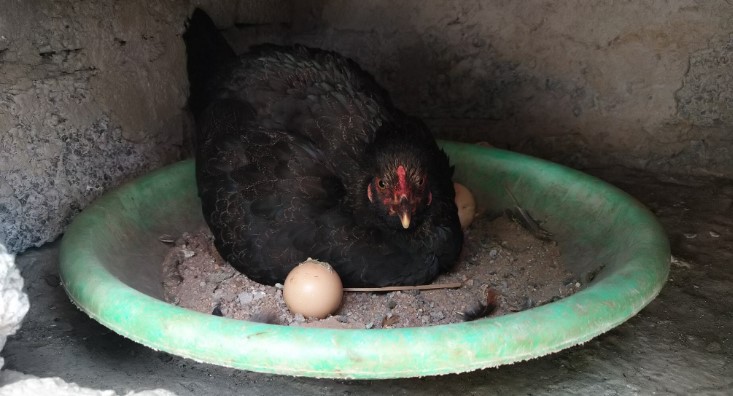
Egg binding is a stuck egg the hen can't push out — an emergency that can turn fatal within a day. The early signs, what a warm-bath and calcium approach can do at home, and when the same-day vet visit is non-negotiable.
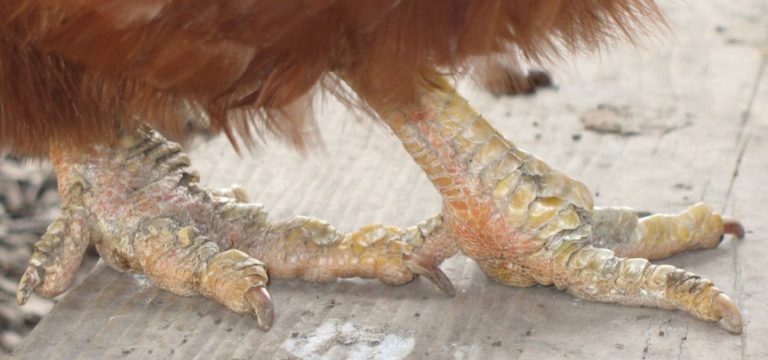
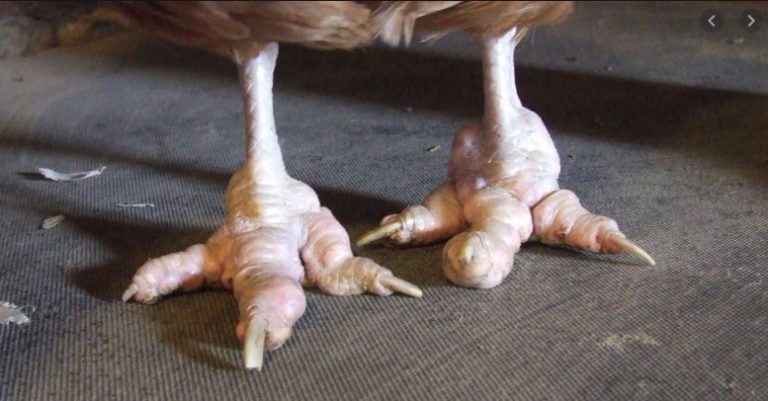
Scaly leg mites burrow under the scales on a hen's legs and lift them into rough, chalky ridges — the earliest signs to catch, and the treatments that kill the mite without damaging the leg underneath.
Mites hide in the feather bases and in coop cracks, not just on the bird — a look at which mite you're dealing with, and the two-front treatment that clears them for good.
Bumblefoot is a staph infection inside a chicken's foot pad — usually a small cut or pressure sore that walled itself off into a hard, dark scab. How to catch it early, when at-home soaking is enough, and when the scab needs a vet to open.
How to tell if a hen is egg-bound, what to try at home first, and the signs that mean she needs a vet the same day.
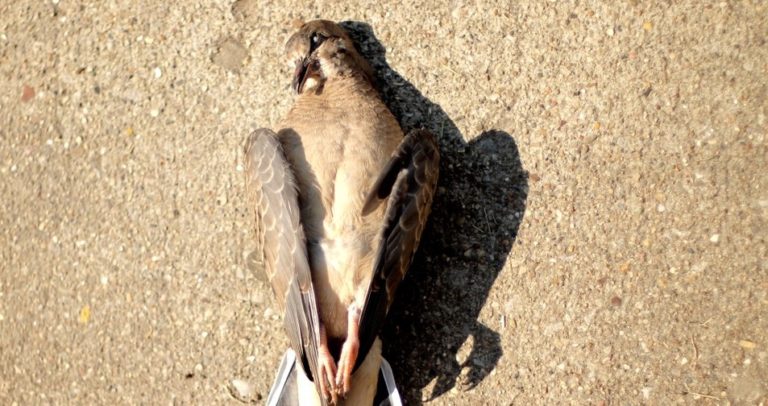
Birds hide illness until they can't, so a death that looks sudden usually wasn't — the most common causes vets see in pet birds and backyard flocks, and what you can piece together from the last few days to make sense of it.